

Harmony for His Glory By Eld. David Nyachieo
The Kilimani Springs SDA Church Music Department has taken an exciting step by starting classes to train members on various instruments for an orchestra. To appreciate the significance of this move, it helps to first understand what an orchestra is, what instruments it typically includes, and why this kind of ministry can meaningfully deepen worship in an Adventist setting.
An orchestra is an organized group of musicians who play different instruments together in a blended, harmonious way. Rather than one sound dominating, each instrument contributes a unique layer of melody, harmony, rhythm, or texture creating a rich and unified musical voice. In many settings, an orchestra is guided by a conductor or musical director who helps the ensemble stay aligned in timing, expression, and dynamics. In church, this coordination becomes especially important, because the goal is not performance for applause, but ministry that supports reverence and lifts hearts toward God.
Orchestras usually draw from four main families of instruments. The strings often form the core and heaart of the sound, these are violins, violas, cellos, and double bass. The woodwinds add color, warmth and expressive tone; such as flutes, clarinets, Oboe, Bassoon and Saxophone(more common in moderch church orchestras). Woodwinds often enhance lyrical melodies and bring emotional nuance to sacred music The brass bring strength, celebration and Majesty these are the trumpets, trombones, and horns. The percussion provides rhythm, energy and emphasis when used tastefully, these incldue Timpani, Drums, Cymbals etc. Many church orchestras also include piano or keyboard to anchor harmony and support choir and congregational signing. What makes this arrangement so beautiful for worship is that it allows multiple gifts to serve one sacred purpose much like the church itself, where different members contribute to one mission.
The Bible strongly affirms the place of instruments in praise. “Praise Him with the trumpet sound… with stringed instruments and flutes… with loud cymbals.” (Psalm 150:3–5). This is not a poetic invitation but a reminder that worship can be both reverent and richly expressive. Likewise, “Let the word of Christ dwell in you richly… singing with grace in your hearts to the Lord” (Colossians 3:16) points to music as a vessel for spiritual truth, memory, and transformation.
In the Seventh-day Adventist Church, orchestral music has increasingly become a meaningful part of worship in many congregations and institutions. We see this at large church gatherings and international events, where combined choirs and orchestras lead global congregational singing and special music. For example, the Adventist World Choir and Orchestra played a visible role during the 2025 General Conference Session, reflecting how the wider church values organized instrumental ministry when it is Christ-centered and reverent. In local settings, some congregations run structured church orchestras as part of their music ministries, such as the Edinburg Seventh-day Adventist Church, which describes a regular worship-supporting orchestra within its program. Other Adventist communities also organize orchestras alongside vocal groups, such as the Aeolinans of Oakwood Orchestra ministry. These examples show that orchestra ministry is not foreign to Adventist worship; rather, it is a growing expression of excellence and intentional discipleship through music.
This context makes the Kilimani Springs initiative especially inspiring. Our church is still young just about six years in existence yet already blessed with members, both young and old, who are deeply interested in vocal and instrumental music. Some already have experience, while others are eager learners who simply need support and structure. Like many growing churches, we have faced real and practical challenges: limited access to musical instruments, shortages of qualified trainers, expensive course books and workbooks, financial constraints for lessons, and the difficulty of finding time for rehearsals amid busy schedules. These barriers are common, but they do not need to be permanent.
Church music plays a vital role in spiritual and community life, and that role extends far beyond a beautiful sound. Music helps create an atmosphere of reverence and draws the congregation closer to God. It deepens prayer and invites meditation. It also teaches and reminds, since many church songs are rooted in Scripture and doctrine, helping believers learn and retain spiritual truths. Music brings unity, because congregational singing allows the church to participate together as one body. It offers emotional and spiritual uplift, comforting, encouraging, and inspiring in ways that spoken words may not always achieve. And it carries cultural and evangelistic value, often reaching people outside the church as a gentle, welcoming doorway into faith.
In response to our challenges and in recognition of this high calling, the music director who is a trained music teacher with many years of teaching experience together with the departmental team, made a decisive move. They launched a special youth-focused program that emphasizes instrumental music through the development of an orchestra. This was not a casual idea; it was built into planning and stewardship structures. In the department’s bi-annual church budget, the Music Department included the purchase of orchestral instruments and necessary teaching materials. The vision was clear and generous: any youth interested in learning an instrument could join for free, with the church supporting training expenses for at least two years.
This plan is already taking shape in encouraging ways. The department has engaged five trainers who handle violins, cellos, trumpets, piano, and trombone, while the music director teaches saxophones. Each teacher currently supports an average of six students, and lessons are conducted on Fridays and Sundays. While the original focus was youth, the program has naturally attracted juniors, children, and several adults, a wonderful sign that the hunger for structured musical growth is wider than we first imagined.
The department is also thinking sustainably. To supplement the budget and strengthen long-term impact, plans are underway to raise funds through music concerts, walks, and donations from members and other sources. The goal is not only to train musicians for today’s worship but also to build a mentoring pipeline. After two years, the trained youth will help teach newer youth and juniors, ensuring continuity and growth.
Even more exciting is the department’s forward-looking vision to establish a full-time music program/School running six days a week, open to church members and the wider community interested in private lessons. There are also plans to register students for internationally recognized music examinations under the Associated Board of the Royal Schools of Music (ABRSM). This adds structure, credibility, motivation, and measurable progress to the learning journey.
And the vision does not stop with instruments. The next phase includes expansion into creative areas such as drama, elocution, and spoken word; recognizing that worship and evangelism benefit from a broad range of consecrated artistic gifts.
In many ways, this orchestra initiative is about identity, mission, and discipleship. It is about removing barriers so that talent can meet opportunity, and opportunity can become ministry. It is about building a culture where excellence is not a luxury, but an offering. With prayer, discipline, and united support, Kilimani Springs can develop an orchestra that enhances worship, strengthens congregational singing, mentors the next generation, and becomes a compelling witness of God’s beauty and order.
This is how young churches become strong churches and not only in numbers, but in depth. And this is how a season of learning can become a season of lasting spiritual impact.
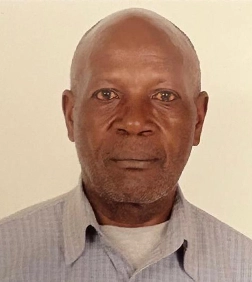
Eld. David Makori Nyachieo is a seasoned music educator, curriculum specialist, and orchestra trainer with decades of experience in shaping musical excellence in Kenya and beyond. He holds a B.Ed. in Biology and Music, having pursued his university education at Middle East College, Beirut, Lebanon, and Northern Caribbean University, Jamaica (formerly West Indies College). A former Principal Curriculum Developer in Music at the Kenya Institute of Curriculum Development (KICD), he has taught and lectured in high schools and teacher training colleges, while also mentoring students in private and community settings. An ABRSM-trained musician, national adjudicator with the Kenya Music Festivals, and a published author of music textbooks, he currently serves as Music and Orchestra Director at Kilimani Springs SDA Church, Nairobi.

Excellent. We thank the Lord in all.
Great Initiative Eld David. i have seen how worship is enhanced at kilimani springs with the development of music talent. May the church lift praises unto the lord